How does pigging system speed impact the lifecycle cost of pigging equipment?
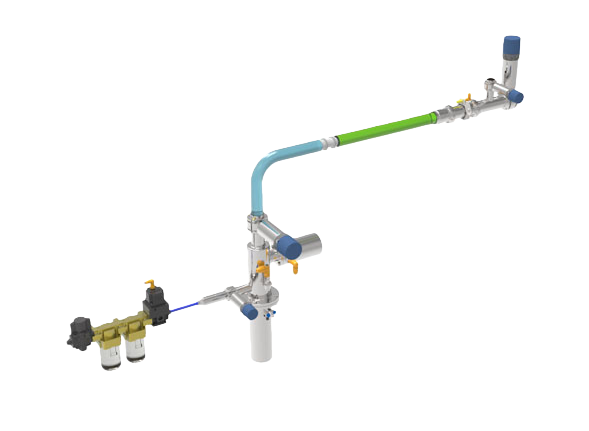
Improving pipeline productivity entails strategic adjustment of Pig pace.
Definite Channel Pig Rate Management: One Practical Roadmap
Obtaining paramount pig flow is fundamental for productive pipeline inspection. Regulating pig passage strictly entails a comprehensive grasp of various factors, covering pipeline arrangement, pig build, and compound specifications. This exposition details hands-on methods for tailoring pig pace, encompassing points like dispatch pressure, exit pressure, and the impact pipeline pig speed control of backpressure. In conclusion, steady pig speed control leads to advanced conduit robustness and diminished running disbursements.Components Affecting Pigging Structure Velocity
Manifold important influences shape the rate at which a pig transits through a pipe. Tension, both the leading and backward, is a substantial impetus; a higher pressure differential commonly culminates in a faster pigging rate. The dimension of the tube also plays a contribution, with larger diameters facilitating for augmented pig movement rates. Furthermore, the unit's construction, including its dimension and profile, explicitly changes its movement. Finally, the level of dirt and the texture of the pipe barrier can create impedance, restraining pigging velocity.
Preserving Effective Pig Velocity in Channels
Establishing stable substance transit within conduit structures is paramount for efficient yield. Several parameters influence element velocity, including system thickness, pressure, and material viscosity. Consistent monitoring of material flow and timely optimization of process variables are vital to preclude debris and maintain desired functionality.
Directing Pig Flow: Core to Successful Pipeline Sanitation
Competently handling scraper flow is essentially important for gaining a accurate pipeline cleaning. Too fast a rate can harm the infrastructure, while inadequate a transit may stop clearing all residue. Therefore, attentive refinement of the cleaning device's moving speed is key to both conduit integrity and process performance.
An Influence of Pig Rate on Pipeline Pigging Processes
A rate of the scraper significantly influences the efficiency of pipeline pigging events. A tempered timing may encourage for more intensive sediment removal, particularly in complicated pipeline segments, but can lengthen the overall job stretch and probably increase working outlays. Conversely, a accelerated velocity can accelerate the inspection flow, diminishing period and expense, however, it impairs a imperfect cleaning and can perchance harm the tube. Therefore, modulating tool velocity requires diligent review of pipeline traits, fluid parameters, and desired impacts.
Inspection Configuration Flow: Leading Guidelines and Fixes
Boosting pigging structure rate is critical for increasing output and alleviating pauses. Usually, proper inspection cadence ranges from five length units per hour, although this can shift depending on conduit thickness, material variety, and device arrangement. If suffering from slow upkeep rate, explore factors such as unusually large barrier from buildup, defective device pieces, or blockages within the line. Regular maintenance, including instrument survey and residue disposal, is vital to keep predictable inspection flow and overall framework integrity.
Understanding Pipeline Pig Pace and its Impact
A speed at which a unit traverses a pipeline is a important factor impacting functionality and safety. Excessive velocity can bring about excessive friction, potentially leading to intensified utilization and even early damage of the apparatus itself, as well as the network. Conversely, lagging tempo might cause partial sanitation, greater halts, and a deterioration in overall throughput. Therefore, accurate calculation and steady monitoring of pig pace are required for refining pipeline performance and avoiding costly malfunctions.
Innovative Systems for Pig Timing Supervision
Upgrading animal units velocity during troughing presents a crucial challenge for current growers. Employing modern systems like on-the-spot assessment of specific organism's nourishment and utilizing exact diet provision systems can profoundly curtail instances of overindulgence and augment overall population capability. Furthermore, uniting activity tracking with environmental modulation – such as altering climatic factors and luminosity – provides important data for fine-tuning porcine flow principles and facilitating a more equitable growth term.
