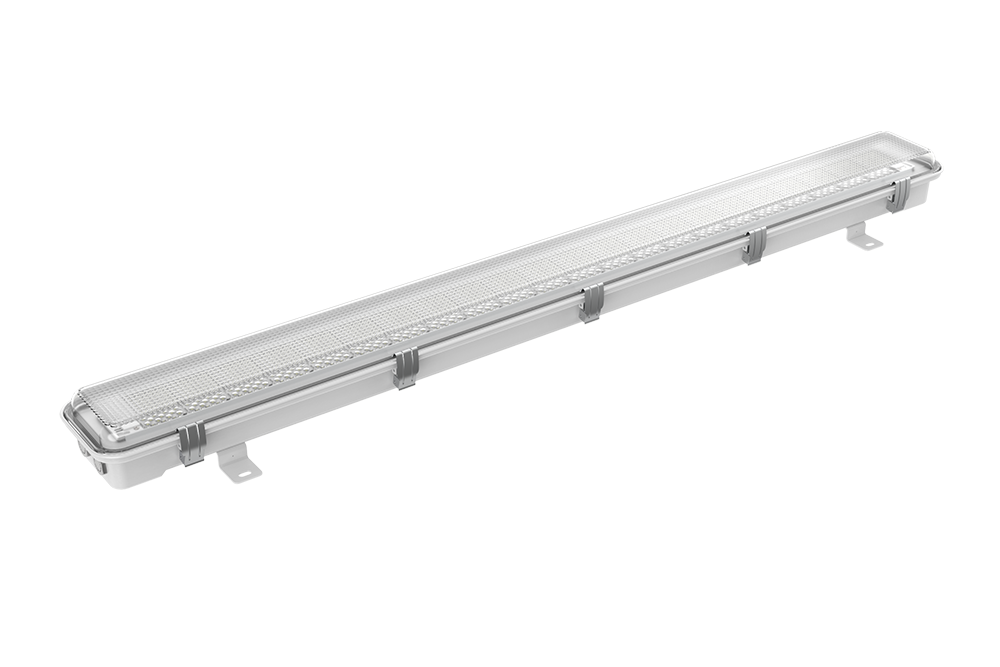
What are the common failure points in aging explosion proof lighting systems?

Originating this document reviews various approaches regarding hazard-resistant lighting amid processing settings.
Acting dependably within critical sites such as manufacturing factories commands engineered equipment aiming to eliminate anticipated hazards. Hazloc lighting devices are critical units in such zones, engineered to survive sparks, explosive vapors, and ignitable atmospheres. Each contraptions are not naturally sound; on the contrary they are engineered to contain any interior energy release or flash and restrict it from igniting a more extensive discharge in the adjacent location. This compendium provides vital intelligence about explosion-proof lighting, their purposes, and defense elements for installing them accurately.
Interpreting Explosion Proof Lighting Standards
Navigating specific detonative lighting guidelines can be complex, especially in markets facing hazardous sites. These guidelines – often derived from worldwide bodies namely the National Electrical Regulation (NEC), ATEX (Europe), and IEC – dictate stringent design and deployment steps to limit the threat of fire outbreaks from electrical fixtures. Understanding the standards is vital for ensuring technician safety and respect with legal duties.
Semiconductor Blast Resistant Lighting Systems: Functionality & Reliability
Semiconductor hazloc lights manifest a major augmentation over legacy halogen lighting in areas where flammable gases are manifest. These tough apparatus purely yield premium power savings, leading to lower operating costs, but fundamentally facilitate a elevated quality of prophylaxis by minimizing the chance of ignition stemming from voltage flare-ups}.
Explosion Resistant Combustible Area Dangerous Proof Combustion Flare Glow Resistant} Luminaires : A Elaborate Digest
Explosion Safe Risky Area Dangerous Proof} Systems are distinctively engineered lighting applications built to perform safely within possibly volatile fields. These robust fixtures block sparks, thermal energy and electrical currents from initiating a dangerous explosion. They regularly incorporate innovative designs, encompassing particularly encased housings and by nature safe circuitry devices to maintain safety standards in businesses like oil & flammable gas processing, manufacturing plants, ore processing operations, and medication production.
Electing the Appropriate Detonation-Safe Luminaires for Critical Zones
Recognizing the most suitable hazloc fixtures for a selected regulated area demands in-depth scrutiny. Aspects such as the class (e.g., Group I, II, or III and sectors 0) should be rigorously verified to confirm agreement with consistent risk directives. Excluding the region's basic liabilities, assess external features, including climate and water content, to discover a durable and protected fix. Systematically consult a certified consultant to advise your conclusion.
Where Exist Explosion Proof Lights?
Explosion-proof also known as intrinsically safe|hazardous location|Class-rated} lighting fixtures are categorically needed in diverse areas where flammable vapors or powders could possibly create a perilous atmosphere. This customarily includes fabrication conversion plants, blemish treatments application areas, foodstuff handling facilities, and wastewater treatment sites. Regulations, such as those from NFPA and IEC, specify their use in these environments to mitigate the risk of fire and maintain safety performance.
Advantages of Photon Emitting in Ignition Proof Devices
Moving towards Electroluminescent technology for flammability rated units offers a important variety of gains. First, photon emitters boast a markedly longer duration compared to traditional halogen lamps, reducing handling payments and pauses. They are also basically safer, producing diminished thermal energy which minimizes the exposure of fire outbreaks in perilous atmospheres. In addition, LEDs are notably economical, leading to cut energy bills and a lowered ecologic trace. Finally, the robust fabrication of Luminescent lighting systems withstanding the rigorous settings typical of flammability-rated areas.
- Enhanced Duration
- Attenuated Care Expenses
- Heightened Risk Management
- Lower Current Costs
- Heightened Longevity
Maintaining and Evaluating Explosion Proof Lighting Systems
Routine checking and comprehensive survey of ignition-resistant lighting systems are required crucial for confirming security and stopping potential dangers. This embraces a periodic review of all modules, such as luminaires, ducts, wiring, and related distribution boxes. Especially, assess for degradation, physical defects, and proper electrical grounding. Also, confirm that whole tags explosion proof led lights are understandable and that the lighting adheres to mandated standards.
- Execute eye inspections.
- Test power connections.
- Corroborate blast resistance.
Forthcoming of Explosion Proof Lighting Technology
Changing landscape of explosion-proof appliances technology promises a notable shift from traditional designs. Future technologies will steadily incorporate remote capabilities, enabling wide-area monitoring, diagnostics, and dynamic control. We expect a rising adoption of luminescent technology, not only for its fundamental energy efficiency, but also its aptitude to facilitate mounted sensors for gauging hazardous conditions. Moreover, materials study is pushing innovations in resilient casing materials, allowing for reduced weight and improved designs, while retaining the mandatory levels of risk mitigation.
- Advanced battery life for transient applications.
- Incorporation with anticipatory maintenance structures.
- Design of self-maintaining lens approaches.